Why Pre-Loading Cargo Hold Inspections Are Critical for P&I and Charterer Acceptance
Cargo Condition & Holds Inspection
—
Dec 14, 2025
Introduction
Cargo hold condition is one of the most common reasons for bulk cargo disputes. Rejections at the load port, contamination claims at discharge, and charter party off-hire issues often originate from inadequate or undocumented hold inspections prior to loading.
A pre-loading cargo hold inspection establishes whether the vessel is fit to receive the nominated cargo, serving as a technical and contractual safeguard for all parties involved.
What a Pre-Loading Hold Inspection Evaluates
Pre-loading inspections go beyond visual cleanliness. A competent survey focuses on fitness for purpose, considering the cargo type and contractual requirements.
Typical inspection scope includes:
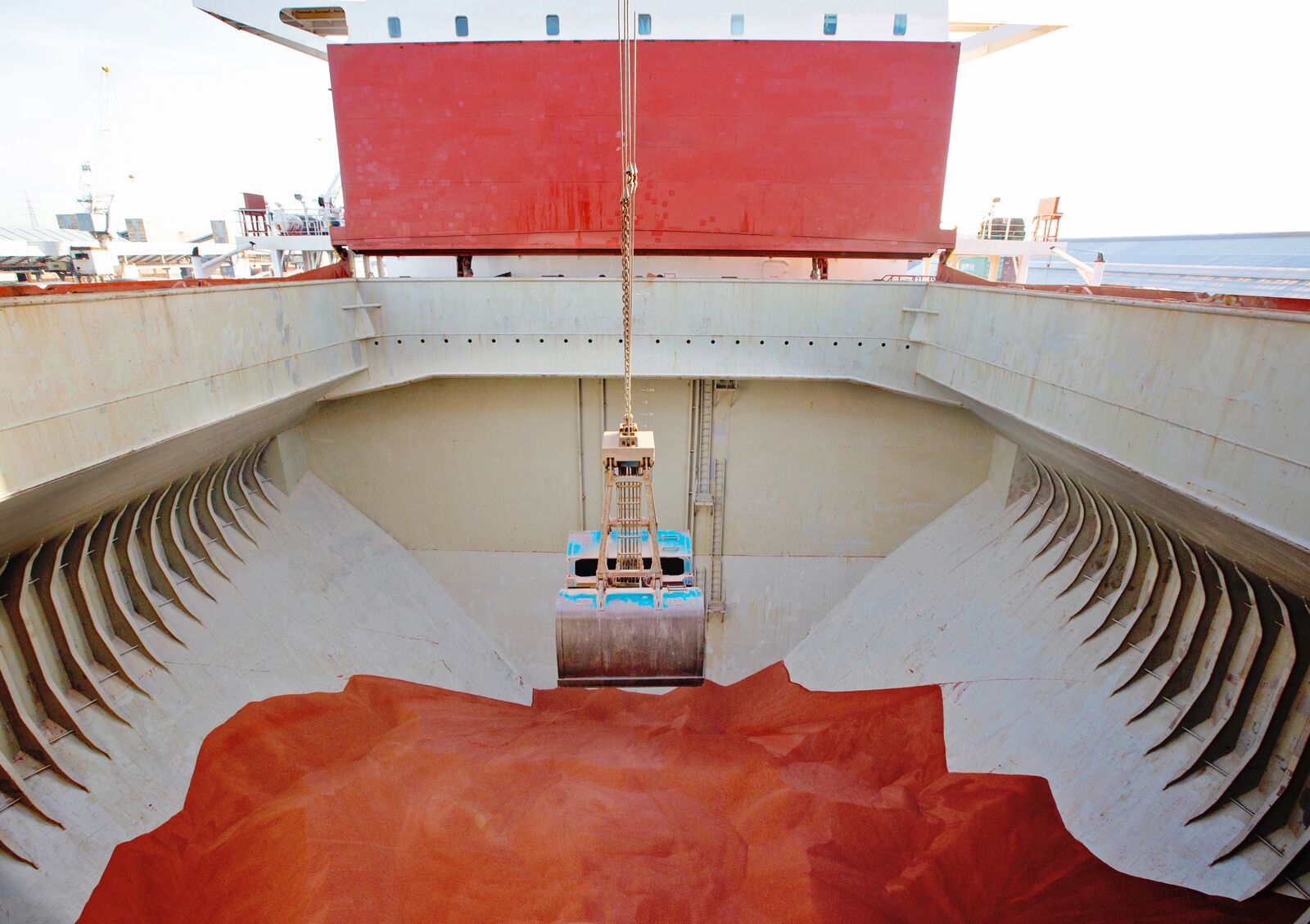
Structural condition of holds (frames, brackets, coatings)
Cleanliness standard relative to cargo sensitivity
Presence of residues, dust, rust scale or moisture
Condition of bilge wells, strainers and suctions
Hatch covers, coamings and sealing arrangements
Each element directly influences cargo integrity.
Cargo Sensitivity and Cleanliness Standards
Different cargoes impose different hold standards:
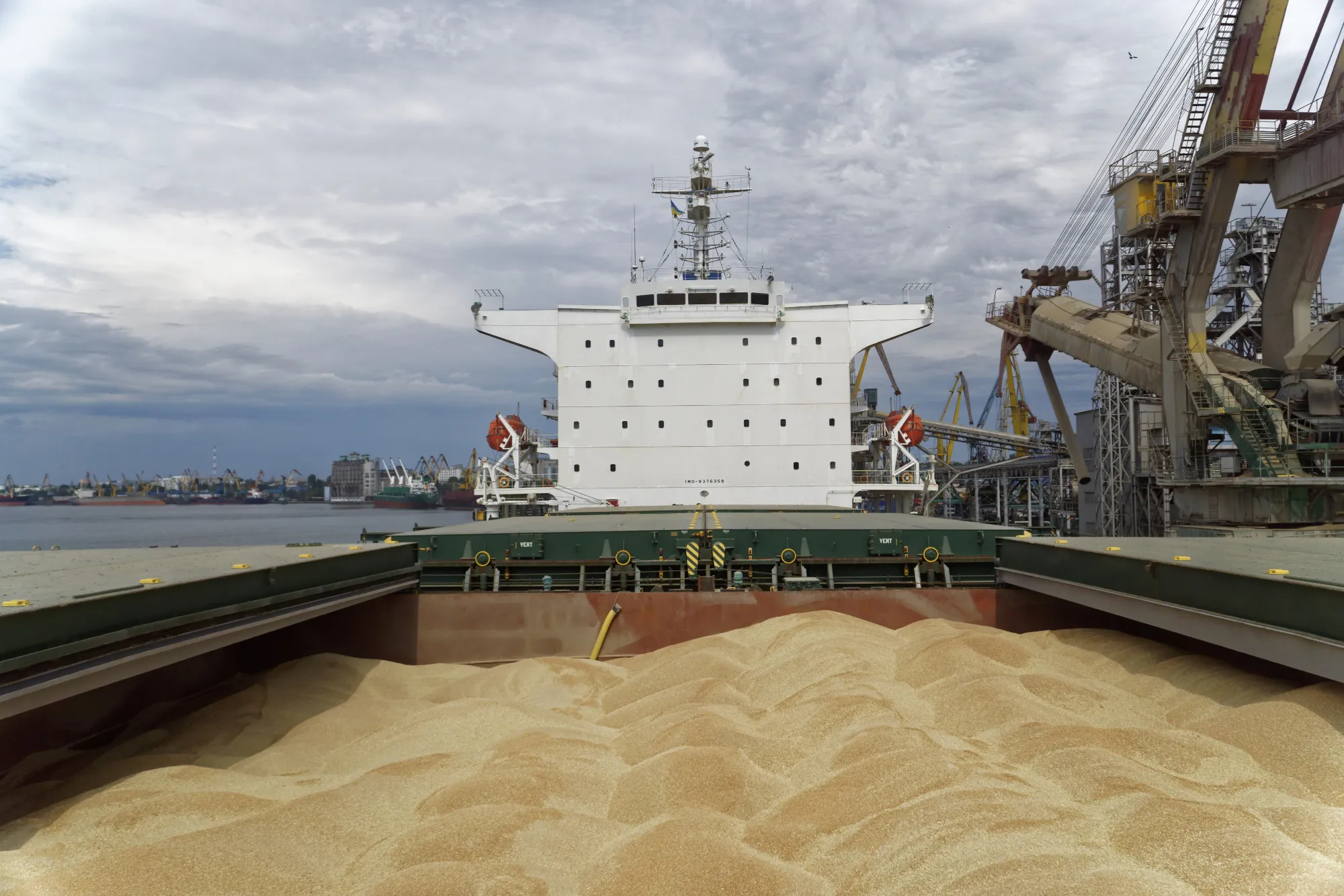
Grain and food-grade cargoes demand strict cleanliness and dryness
Fertilizers raise corrosion and contamination risks
Minerals and ores tolerate heavier residues but still require structural integrity
Failure to align inspection criteria with cargo requirements often leads to disputes later in the voyage.
P&I Perspective: Preventing Avoidable Claims
From a P&I standpoint, many cargo claims are avoidable. Common issues include:
Residual cargo contamination
Rust scale falling during voyage
Moisture ingress through defective hatch covers
A documented pre-loading inspection demonstrates due diligence and supports the owner’s defense if a claim arises.
Charterer and Terminal Acceptance
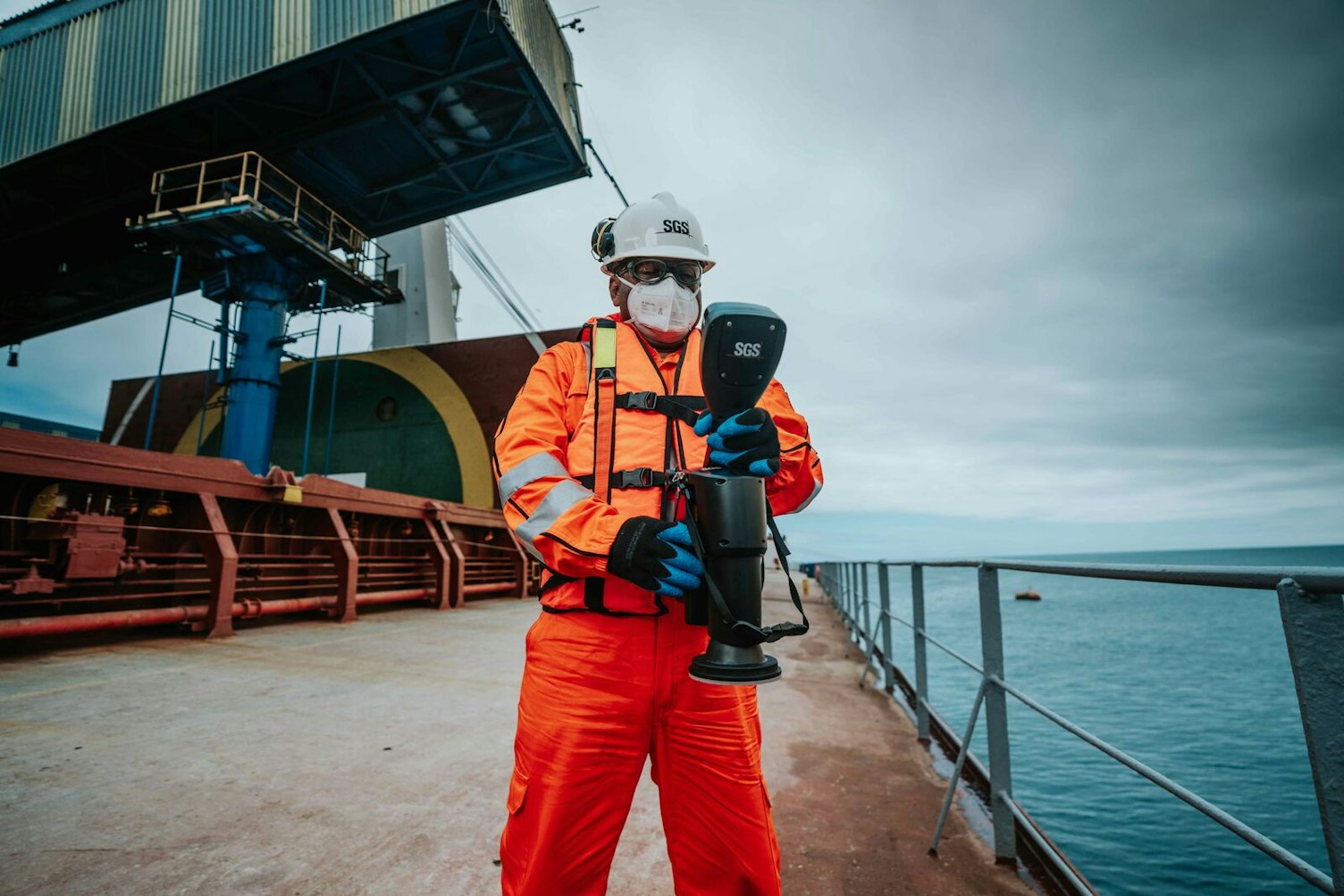
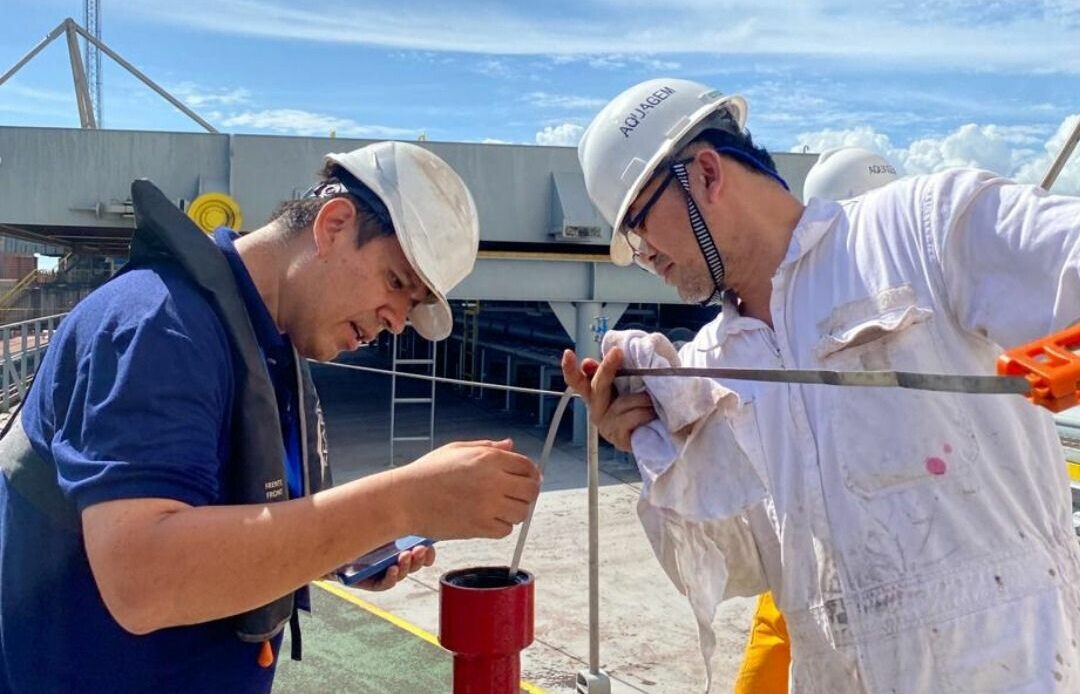
Charterers and terminals increasingly rely on independent surveyors to:
Confirm readiness to load
Avoid delays caused by last-minute rejections
Align loading operations with charter party clauses
Clear inspection findings allow decisions to be made before cargo is alongside.
Documentation That Matters in Disputes
An effective pre-loading inspection report should include:
Hold-by-hold condition descriptions
Photographic evidence
Explicit acceptance or rejection statements
Clear remarks on limitations and access
Ambiguous wording weakens evidential value.
Brazilian Ports: Operational Reality
In Brazil, pre-loading inspections often occur under:
Tight berthing windows
High humidity and rainfall
Multiple cargo switches within short intervals
Independent inspections provide an objective assessment under these conditions, reducing exposure to downstream claims.
Conclusion
Pre-loading cargo hold inspections are not procedural formalities. They are a critical risk-control measure that protects cargo interests, charter party performance and P&I exposure.
When properly executed and documented, they form the first line of defense in bulk cargo operations.