Why Independent Marine Surveys Are Critical for Cargo Claims in Brazil
Marine Surveys & Claims
—
Dec 10, 2025
Introduction
Cargo claims in Brazil frequently arise from disputes related to quantity discrepancies, cargo condition, and documentation inconsistencies. In many cases, the outcome of a claim depends less on contractual wording and more on the quality, timing and independence of the survey evidence produced at the port of loading or discharge.
Independent marine surveys provide the factual foundation required to assess responsibility, support commercial negotiations and, when necessary, defend positions before P&I Clubs, owners and charterers.
The Role of Independent Marine Surveyors
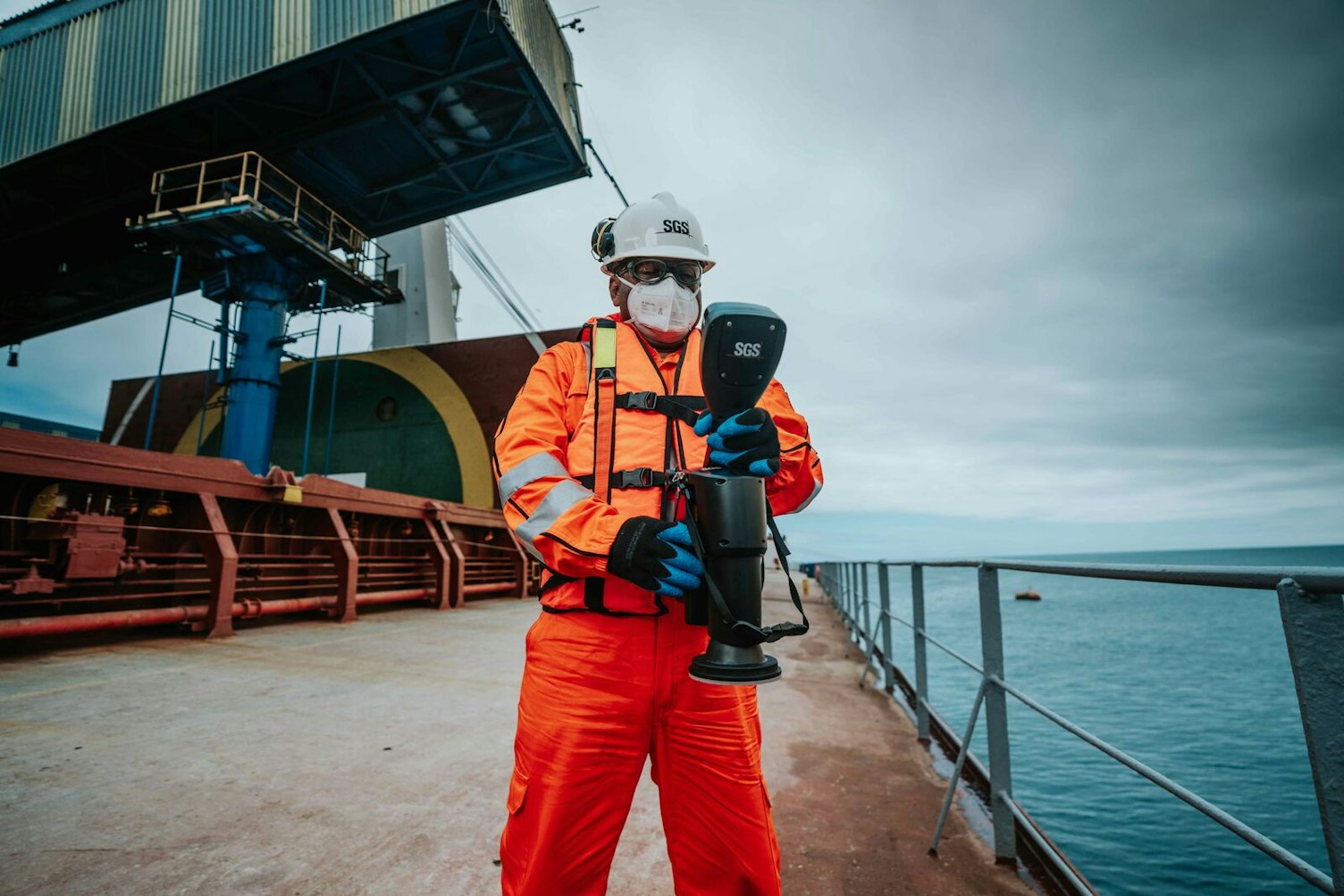
An independent marine surveyor acts as a neutral technical witness, documenting vessel condition, cargo status and operational parameters without commercial interest in the transaction.
Key responsibilities typically include:
Draft surveys to establish cargo quantities
Holds inspections prior to loading
Cargo condition surveys during loading and discharge
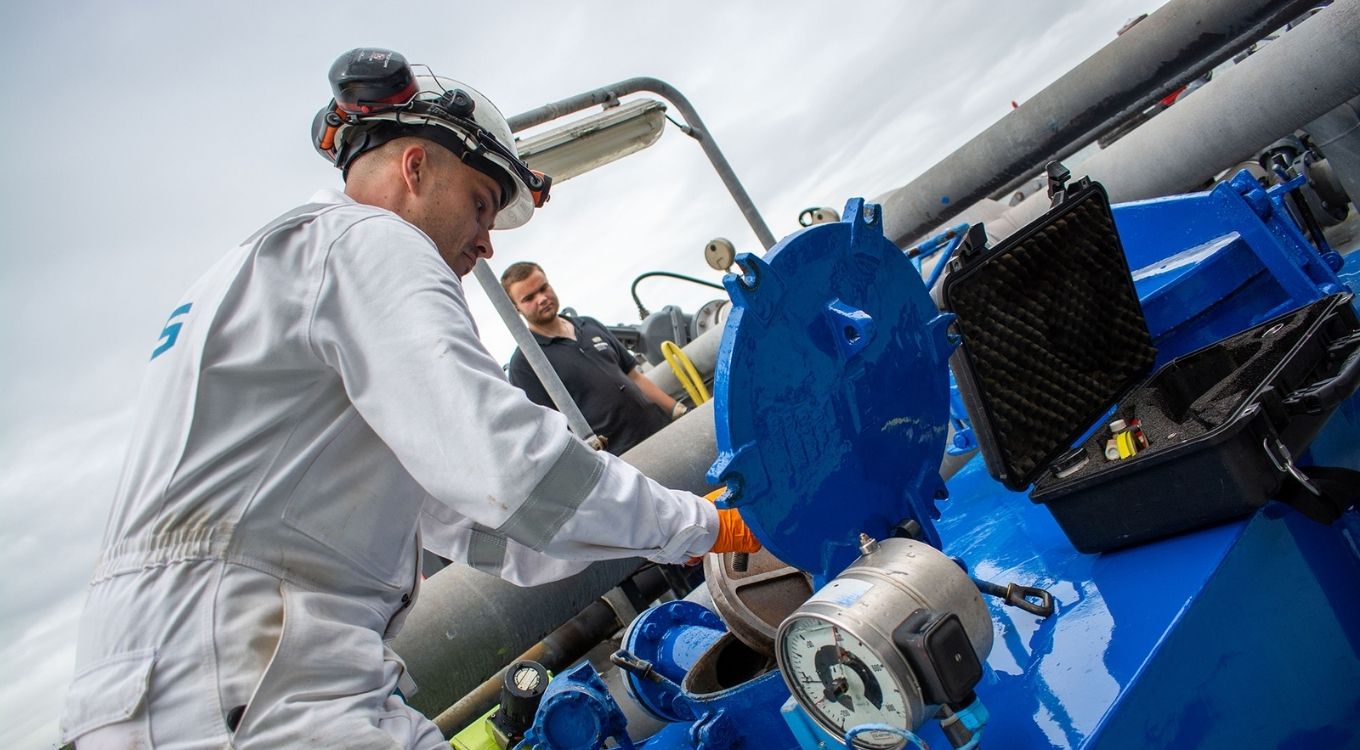
Bunker quantity and sampling surveys
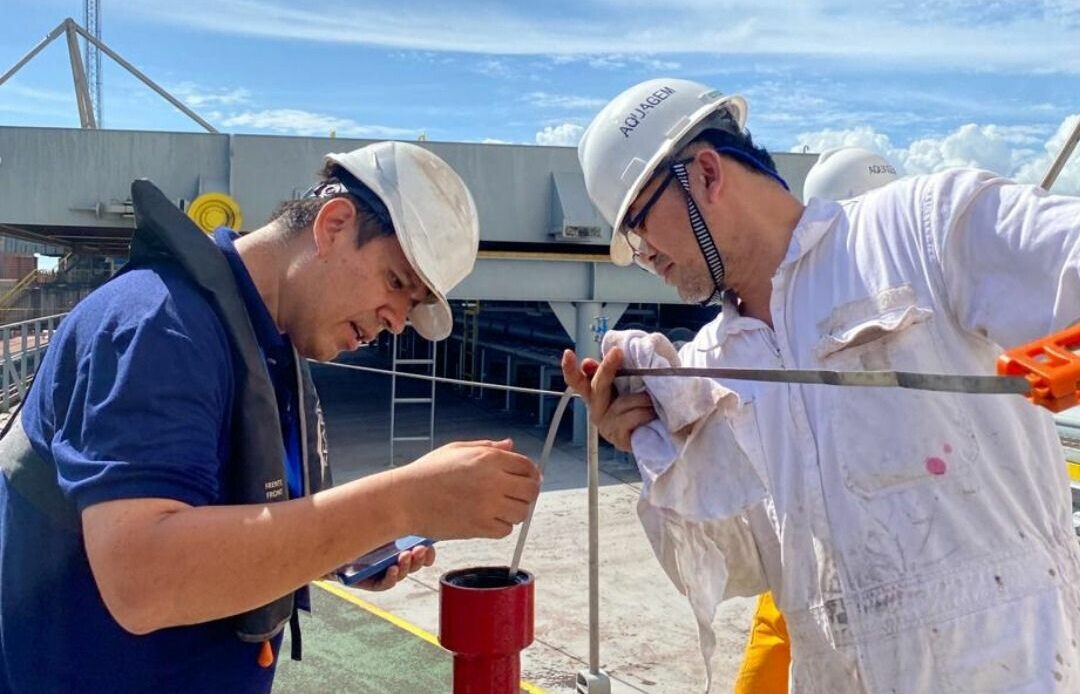
Evidence collection through photographs, measurements and contemporaneous notes
Independence is critical. Reports issued by non-independent parties often lack credibility when scrutinized during claims handling.
Why Brazil Presents Higher Risk Exposure
Brazilian ports present specific operational challenges:
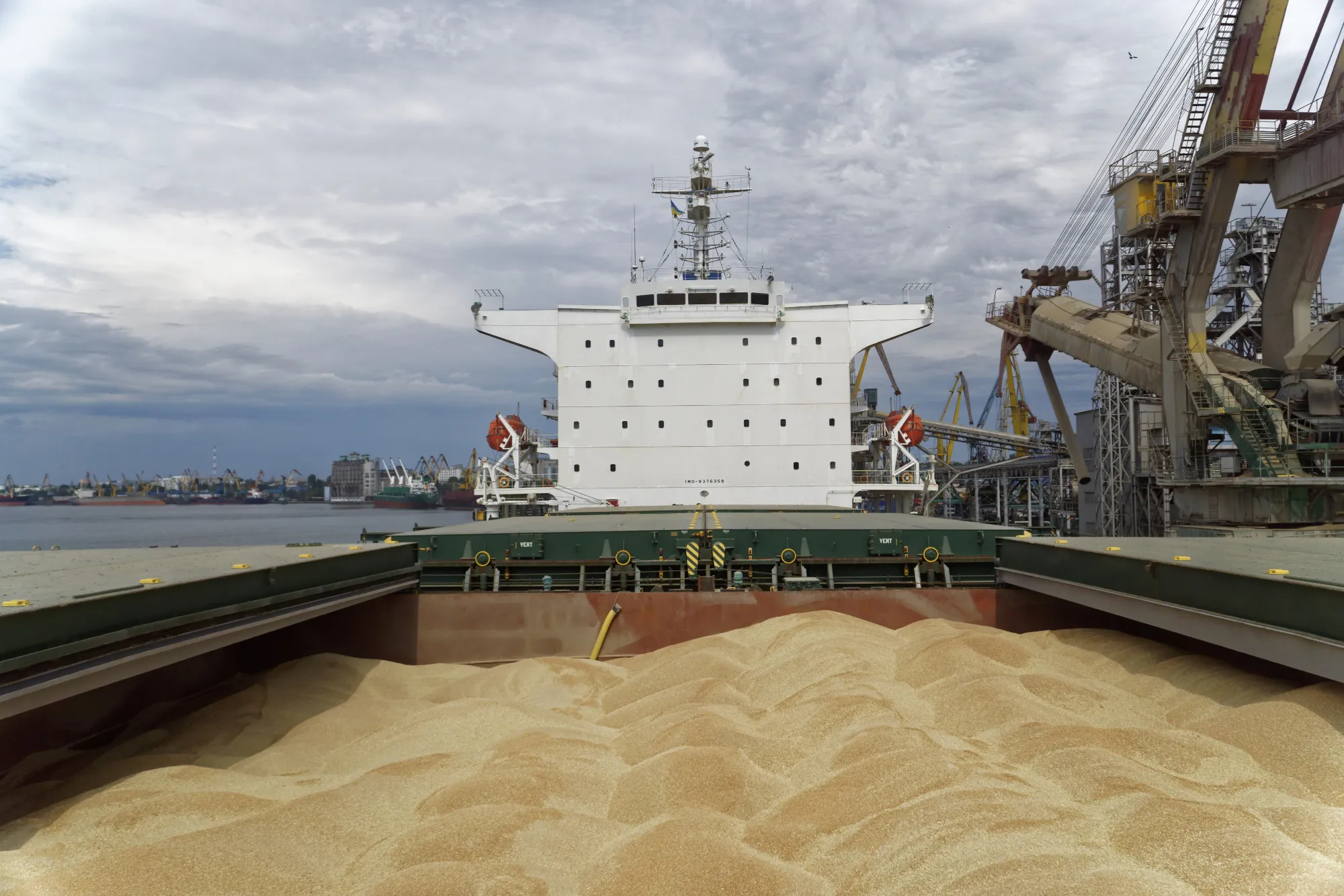
Large bulk volumes with tight laycan windows
Variability in terminal practices and equipment
Riverine ports with draft limitations and tidal influence
Strict inspection standards applied by receivers and surveyors
In this environment, minor discrepancies can quickly escalate into substantial claims, especially in bulk trades such as grains, fertilizers, coal and minerals.
Draft Surveys and Cargo Shortage Claims
Draft surveys remain one of the most effective tools to establish cargo quantity when properly executed.
A defensible draft survey requires:
Correct vessel trim and list assessment
Accurate draft readings (including tidal corrections where applicable)
Verified hydrostatic data
Clear documentation of assumptions and limitations
When performed by experienced surveyors, draft surveys frequently form the basis for resolving shortage disputes at commercial level, avoiding escalation.
Cargo Condition Surveys and Holds Inspections
Condition surveys are equally critical. Poorly documented cargo damage or inadequate hold cleanliness can shift liability unexpectedly.
Pre-loading inspections confirm:
Holds are clean, dry and suitable for the intended cargo
No residues, scale or structural issues affecting cargo integrity
Discharge surveys document:
Apparent cargo condition
Signs of contamination, wetting or mechanical damage
Handling practices at terminal
These findings often determine whether a claim is considered ship-related, cargo-related or terminal-related.
Importance of Evidence and Reporting Quality
P&I Clubs and claims handlers consistently emphasize the same requirement: clear, factual and contemporaneous evidence.
Effective survey reports include:
Structured narratives aligned with findings
High-resolution photographs with timestamps
Consistent terminology and measurements
Explicit statements of methodology and scope
Reports lacking clarity or technical depth are frequently challenged or disregarded.
Commercial Impact for Charterers and Owners
Beyond claims, independent surveys support:
Faster dispute resolution
Stronger negotiation position
Reduced exposure to off-hire and demurrage disputes
Improved compliance with charter party requirements
In many cases, the cost of a proper survey is negligible compared to the financial exposure it mitigates.
Conclusion
In Brazil’s complex port environment, independent marine surveys are not optional — they are a fundamental risk-management tool.
By combining technical competence, operational experience and structured reporting, surveyors provide the factual basis that protects owners, charterers and insurers throughout the cargo lifecycle.