Fuel Sampling & ISO 8217: Why Quantity and Quality Claims Often Intersect
Bunker Surveys & Fuel Compliance
—
Dec 13, 2025
Introduction
Bunker disputes are commonly classified as either quantity-related or quality-related. In operational reality, however, these two issues frequently overlap. Weak sampling procedures can undermine quantity claims, while questionable quantity figures often cast doubt on fuel quality evidence.
ISO 8217 establishes fuel quality standards, but compliance depends entirely on how samples are taken, handled and documented during bunkering operations.
ISO 8217 and Its Practical Limits
ISO 8217 defines fuel specifications, test parameters and acceptance criteria. It does not, however, regulate how sampling must be executed on board.
As a result:
A fuel may meet ISO 8217 on paper but still be disputed due to sampling flaws
Poor sampling invalidates otherwise compliant laboratory results
Quantity discrepancies can raise suspicion over sampling integrity
The standard assumes proper operational practice—something that must be enforced on site.
Where Sampling Failures Typically Occur
1) Non-Continuous Sampling
Continuous drip sampling is essential. Common failures include:
Interrupted sampling during rate changes
Sampling started late or stopped early
Manual “spot samples” replacing continuous methods
These gaps compromise representativeness.
2) Improper Sampling Location
Sampling points matter. Problems arise when:
Samples are taken too far from the vessel manifold
Dead-end lines or non-turbulent points are used
Multiple transfer lines are not properly accounted for
A valid sample must reflect the actual fuel delivered to the vessel.
3) Seal Integrity and Labeling Issues
Even correct samples lose evidential value if:
Seals are unnumbered or undocumented
Sample labels lack time, location or signatures
Custody records are incomplete
P&I Clubs routinely challenge samples without a clear custody trail.
How Quantity Disputes Trigger Quality Claims
When delivered quantity is disputed, operators often re-examine fuel quality. In practice:
A quantity shortage may prompt testing of retained samples
Sampling deficiencies weaken both quantity and quality positions
Suppliers may contest claims by challenging sampling validity
This is why quantity verification and sampling oversight must be treated as a single control process.
The Role of the Independent Surveyor
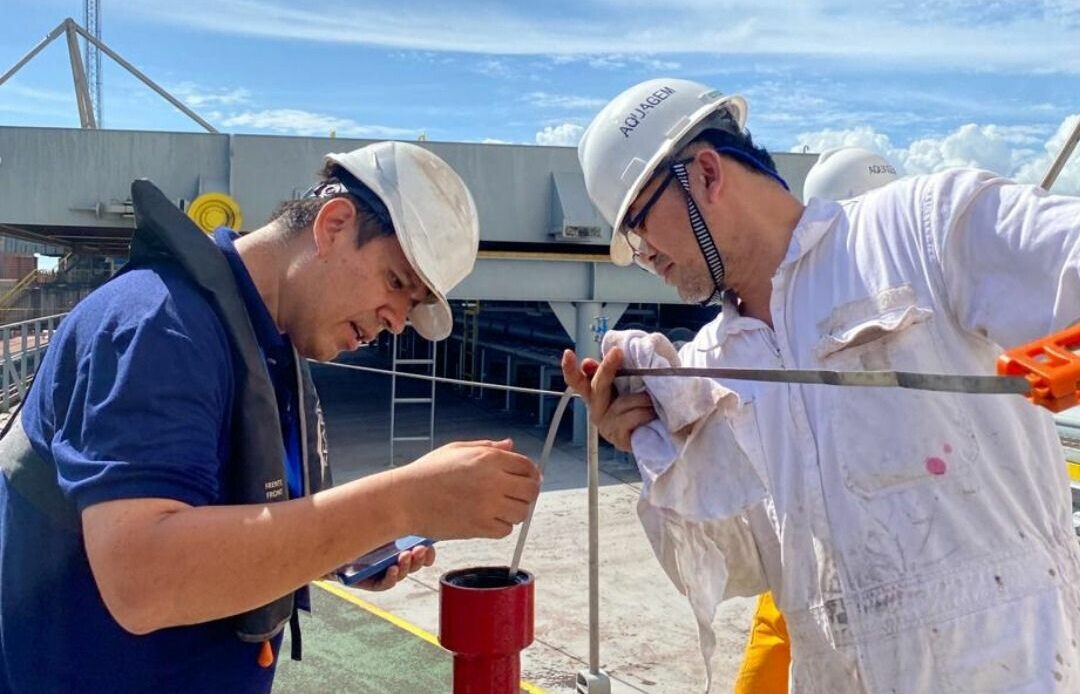
An independent marine surveyor ensures:
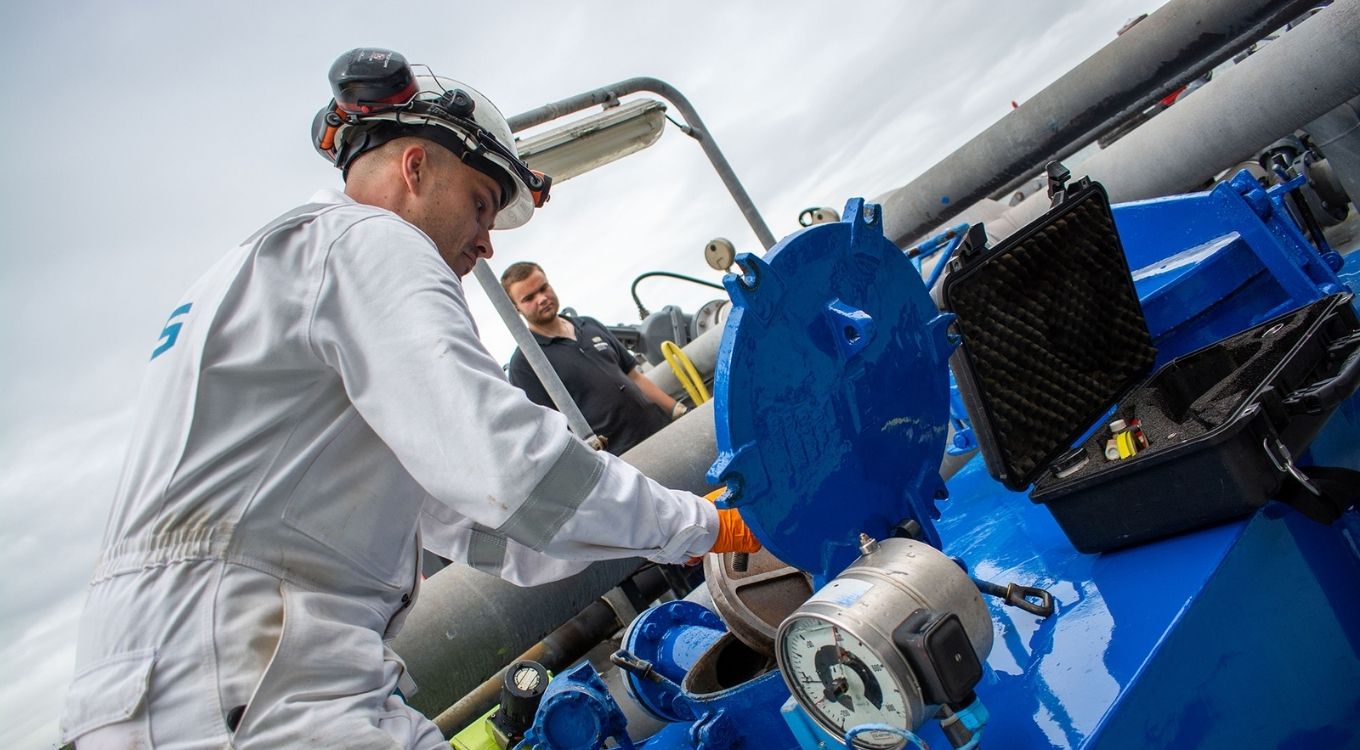
Sampling equipment is correctly installed
Continuous sampling is maintained throughout delivery
Seals are applied, recorded and photographed
Samples are distributed according to contractual and P&I requirements
Surveyor oversight creates alignment between operational reality and evidentiary standards.
Claim-Ready Sampling Documentation
Defensible sampling documentation includes:
Sampling point description and photographs
Seal numbers and custody logs
Time-stamped records matching bunkering flow
Clear link between sample, delivery and tank receipts
Without this structure, ISO 8217 compliance alone is insufficient.
Brazilian Operational Context
Brazilian bunkering operations often involve:
Multiple barges or delivery stages
High ambient temperatures affecting fuel handling
Tight schedules increasing procedural shortcuts
These conditions reinforce the need for strict sampling discipline under independent supervision.
Conclusion
Fuel quality disputes rarely stand on laboratory results alone. Their success depends on the integrity of the sampling process that precedes testing.
When fuel sampling and bunker quantity verification are treated as interconnected controls—rather than isolated tasks—operators significantly improve their ability to resolve disputes efficiently and defensibly.