Bunker Quantity Surveys (BQS): How Fuel Discrepancies Actually Occur in Brazilian Ports
Bunker Surveys & Fuel Compliance
—
Dec 12, 2025
Introduction
Bunker fuel represents one of the most significant operational costs in shipping. Even small percentage discrepancies during bunkering operations can translate into substantial financial exposure over a vessel’s trading cycle.
In Brazil, bunker quantity disputes frequently arise not from fraud, but from measurement inconsistencies, procedural gaps and inadequate documentation. Independent Bunker Quantity Surveys (BQS) are therefore a critical control mechanism for charterers, owners and operators seeking transparency and defensible figures.
What a Bunker Quantity Survey Actually Verifies
A BQS is not limited to post-bunkering figures. It evaluates the entire fuel transfer process, ensuring that delivered quantities are accurately measured and properly documented.
A standard BQS includes:
Verification of barge and vessel tank conditions before bunkering
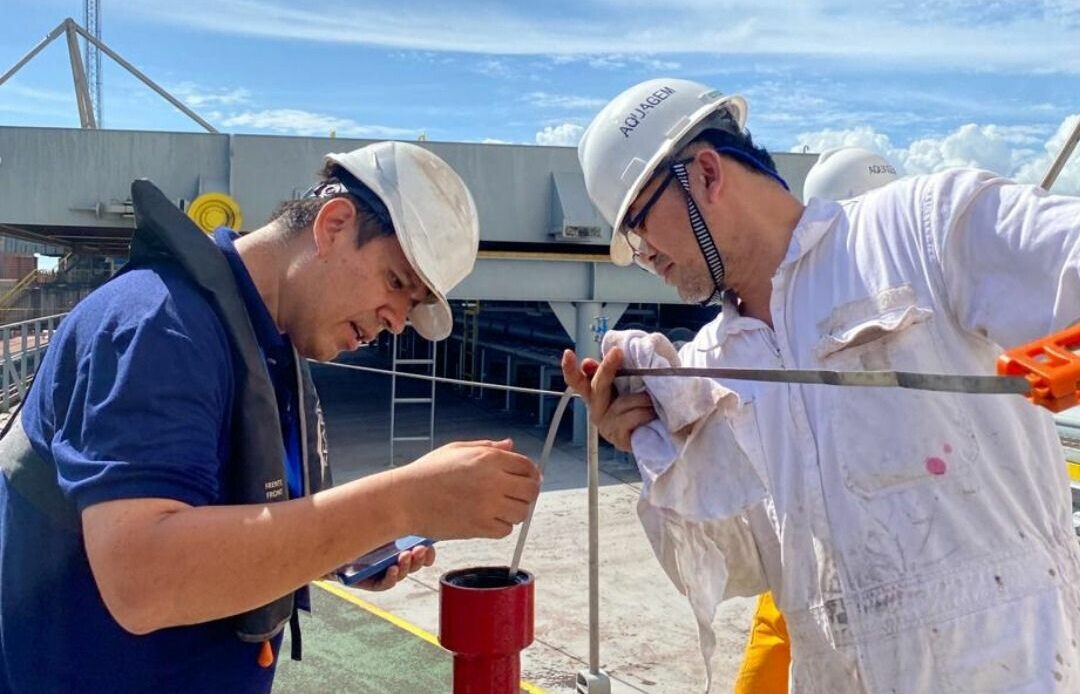
Soundings and ullages taken before and after delivery
Temperature and density recording
Volume and mass calculations using standard correction factors
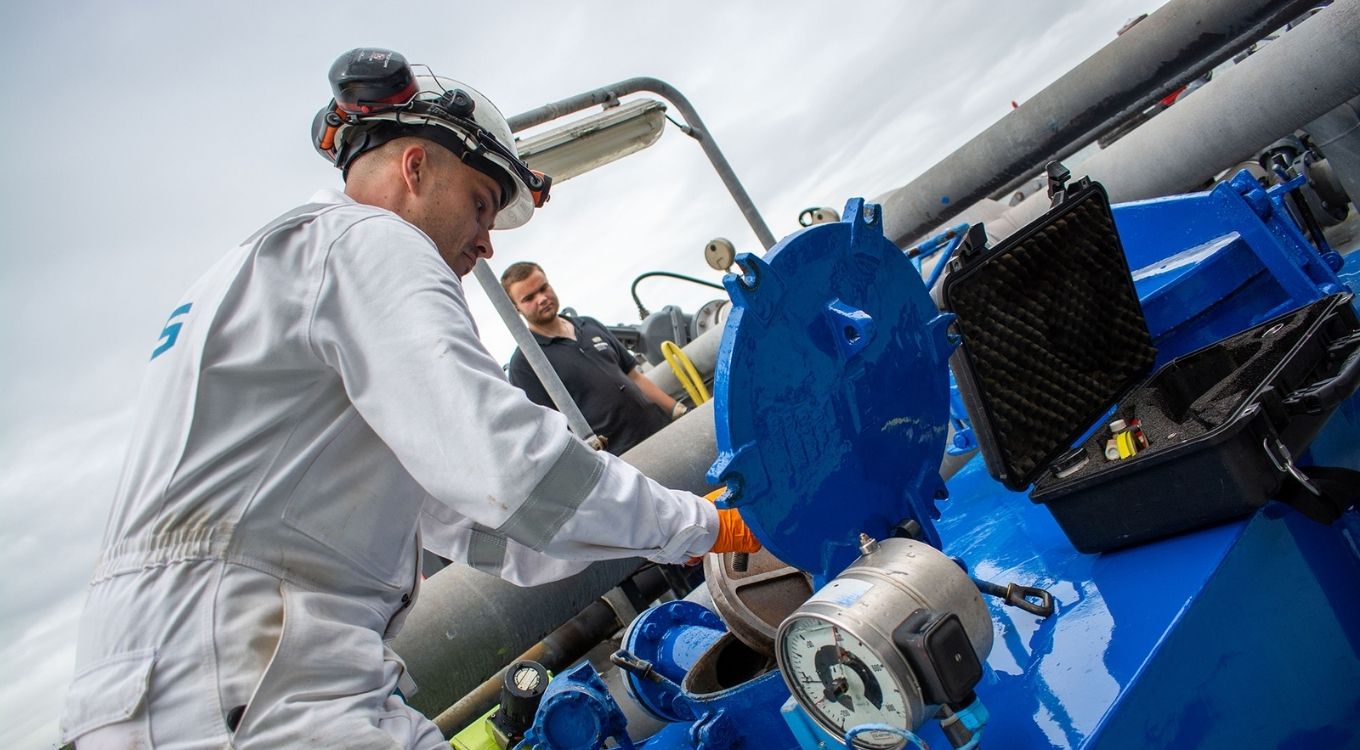
Oversight of sampling procedures where applicable
Each step contributes to a defensible delivered quantity figure.
Where Bunker Quantity Discrepancies Originate
1) Inaccurate Soundings and Ullages
Errors may occur due to:
Poor access to sounding pipes
Incorrect tape handling or reading technique
Sludge, foam or stratification inside tanks
Failure to allow sufficient settling time
Even minor sounding inaccuracies can significantly affect calculated volumes.
2) Temperature and Density Assumptions
Fuel volume varies with temperature. Density errors are a frequent source of dispute.
Common issues include:
Using nominal density instead of measured values
Inconsistent temperature readings between barge and vessel
Incorrect application of Volume Correction Factors (VCF)
Independent surveys ensure density and temperature are recorded, not assumed.
3) Barge Measurement Practices
Barge figures are not always neutral benchmarks.
Potential discrepancies arise from:
Unverified barge calibration tables
Tank geometry assumptions
Limited access to barge tanks
Lack of transparency in barge documentation
A BQS cross-checks barge figures against vessel receipts and physical measurements.
4) Sampling and Chain of Custody Failures
While quantity and quality are distinct, poor sampling often undermines quantity claims.
Typical weaknesses:
Interrupted or non-continuous drip sampling
Poor sealing and labeling
Incomplete custody records
Without a proper chain of custody, fuel disputes become difficult to sustain.
Why Brazilian Ports Require Extra Attention
Brazilian bunkering operations often involve:
High-volume deliveries
Variable barge standards
Environmental and tidal influences
Tight operational windows
These conditions increase the importance of on-site, independent verification rather than reliance on supplier figures alone.
Commercial Impact of Unverified Bunkering
Unverified bunker quantities can lead to:
Overpayment for fuel
Difficulty enforcing charter party clauses
Weak negotiating position with suppliers
Increased exposure to repeated discrepancies
Independent BQS provides operators with factual leverage at the commercial level.
What Makes a BQS “Claim-Ready”
A claim-ready BQS report typically includes:
Clear before/after tank tables
Temperature and density records
Photographic evidence of soundings and seals
Calculation sheets with correction steps
Surveyor remarks on observed irregularities
This level of documentation allows disputes to be resolved early, often without escalation.
Conclusion
Bunker quantity discrepancies are rarely accidental—and rarely obvious at first glance. They emerge from small, cumulative inconsistencies across measurement, documentation and process control.
Independent Bunker Quantity Surveys provide the transparency required to protect fuel expenditure, support charter party compliance and sustain defensible claims when discrepancies arise.